Sistema Elimina Code

Run printed and digital tickets in one operating flow: customers join from kiosk or smartphone, operators call in sequence, and displays show live queue status and now-serving updates.

Kiosk + displays + dashboard: centralized control, local in-store continuity even without internet, and Web Push updates for customers.

Lower perceived waiting

Lower perceived waiting

Number calling is clearer, service flow is calmer, and customers are no longer tied to a static physical line.

One flow for print and digital tickets

One flow for print and digital tickets

Teams keep the same operating process whether customers enter from kiosk or smartphone.

In-store continuity by design

In-store continuity by design

Core ticketing runs locally with SQLite persistence, so counters continue operating even with unstable WAN.

Centralized multi-endpoint control

Centralized multi-endpoint control

Dashboard provisioning, heartbeat, logs, and content sync keep kiosk, displays, and service views aligned.

Operational flow in 3 steps

Scroll this section: the kiosk visual stays pinned on the left while the operational steps appear on the right.

Join from kiosk or smartphone

Customers choose department at the kiosk and get a printed number or a digital one through temporary QR/code validation.

Linear calling from service view

Operators move queue numbers with NEXT/PREV controls while displays instantly reflect who is currently being served.

Notifications when turn is near

With digital queue enabled, customers receive Web Push alerts for turn-soon and turn-ready without installing any app.

Included operating modes

One codebase, multiple endpoint roles: built for counters, departments, and multi-store deployments.

Advanced system capabilities

Estimated waiting time powered by ServingTimeEstimator

ServingTimeEstimator continuously updates displayed waiting time on kiosk, displays, and smartphones based on real call and service pace, so customers and teams get a more trustworthy estimate throughout the day.

Clear and continuously refreshed wait estimates

The estimate follows real department pace, absorbs peak-hour variability, and remains useful even during high traffic windows.

How ServingTimeEstimator builds wait estimates

Estimated waiting time is not a fixed number. It evolves during the day according to how service is actually progressing in each department.

1. It starts from real counter pace

As numbers are called and served, the system learns the current service rhythm of that department.

2. It adapts when rhythm changes

If service speeds up or slows down, the estimate adjusts progressively instead of jumping unpredictably.

3. It avoids misleading spikes

Long pauses or unresolved tickets do not dominate the estimate, so displayed waiting time stays realistic.

4. It stays informative from day start

When little history is available, the system uses a conservative default pace and then automatically shifts to real observed behavior.

Customer outcome: a clear, easy-to-understand waiting indication that helps people decide whether to stay near the counter or come back when their turn is close.

Virtual tickets always in view

Customers can track their turn independently on their own device, even away from the counter.

Digital queue with virtual smartphone tickets

Customers can receive virtual tickets and track their turn on smartphone, keeping queue position under control even when they are not standing in front of the counter.

Remote ingredient book and technical sheets

Ingredient documents and product technical sheets are configured remotely from the centralized dashboard and distributed instantly to in-store endpoints.

HQ-controlled document content

Technical documents and ingredient information are distributed consistently across all in-store endpoints.

Price checker on full store inventory

The price-checker can query the complete store inventory to show prices, specifications, and detailed product information through customer-system integrations.

Inventory-based prices and specs

Product lookup on kiosk with data synchronized from the integrated store management system.

Centralized promotional scheduling

Image rotation and campaign control managed from one dashboard workflow.

Dynamic flyer with centralized scheduling

The kiosk can run promotional image rotations managed via dashboard scheduling, keeping campaigns and in-store communication consistently updated.

Real architecture and integrations

The platform combines local in-store runtime, realtime channels, and cloud control so service stays stable.

Already included

  • Socket.IO realtime across kiosk, displays, service view, and digital queue.
  • Local UDP discovery and master/slave cluster synchronization.
  • Device heartbeat, logs, and monitoring authenticated with x-device-key.
  • Dashboard content distribution for schedule, price list, and ingredient books.
  • Operational SMTP email alerts for offline transitions and printer errors.
  • Dashboard admin proxy for remote settings and system actions when network reachability allows it.

Not included by default

  • Native SMS or WhatsApp customer messaging.
  • Customer-facing marketing/transactional email delivery.
  • Standard CRM, POS, loyalty, or payment connectors.

These areas can be planned as custom integrations when required.

Security, continuity, and data handling

  • Digital queue relies on validated session tokens to reduce spam tickets and remote abuse.
  • Dashboard device authentication compares keys against bcrypt hashes, not plaintext.
  • Rate limiting and cluster-protection checks help prevent inconsistent queue operations.
  • SQLite local persistence keeps ticketing and number calling active during WAN issues.
  • Data-minimization by design: no mandatory customer identity profile in the base flow.

Best fit for

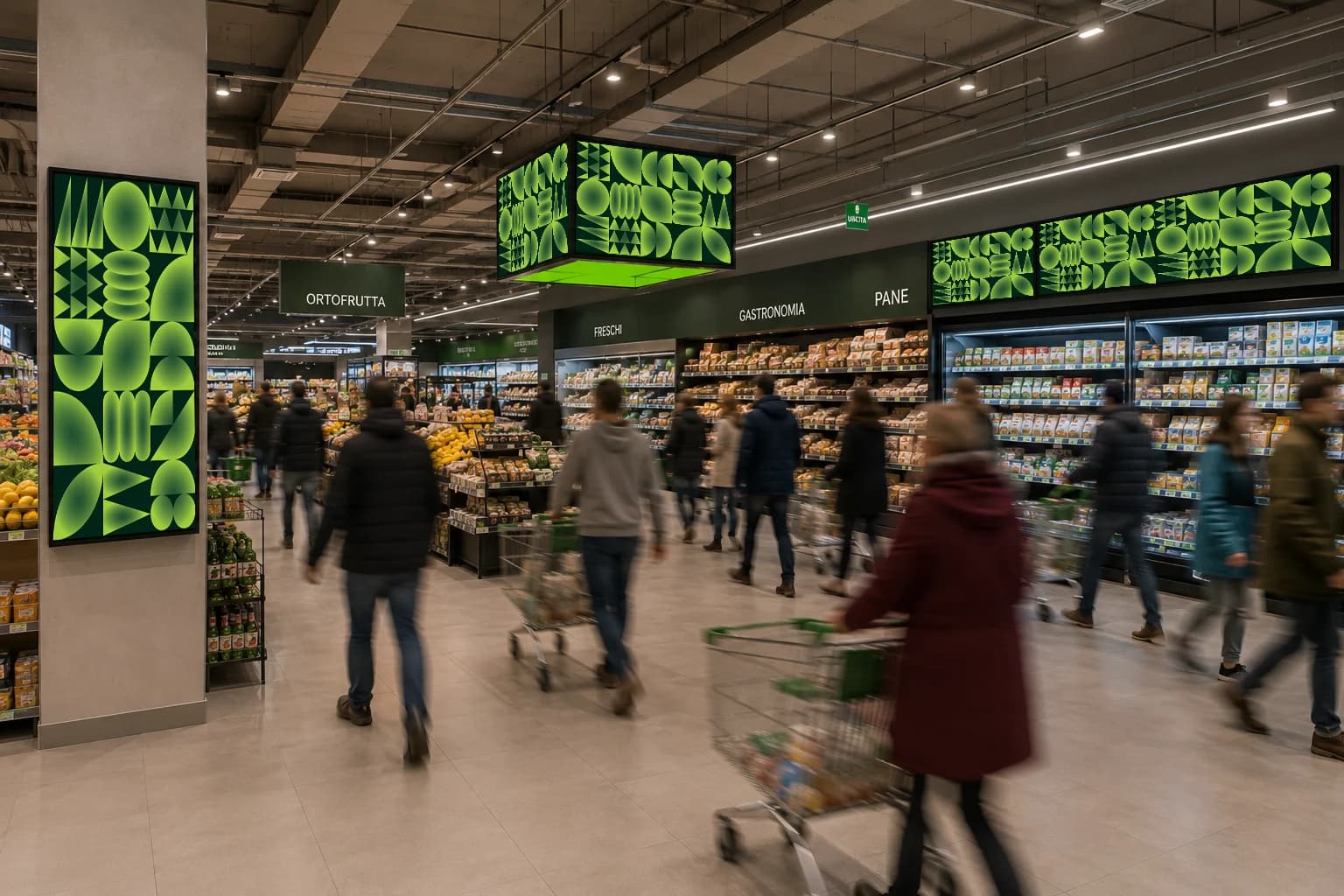
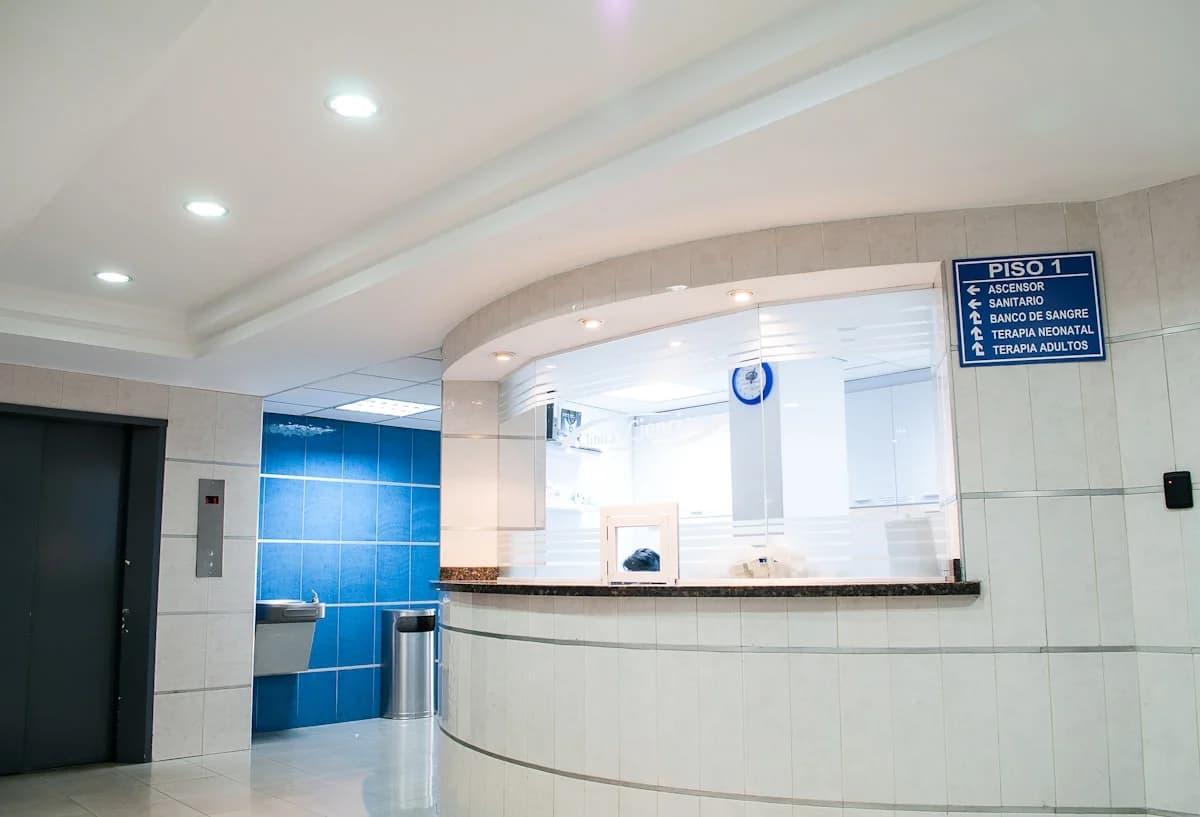
Multi-department grocery storesDeli and bakery countersButcher and fish countersMulti-service pharmaciesPublic and administrative service desks

Recommended onboarding roadmap

2 days

1. Operational discovery

Collect requirements for departments, endpoints, printers, and real service constraints.

2 days

2. Dashboard setup

Configure database, admin users, alert policy, and location-level content structure.

3-4 days

3. In-store installation

Deploy Quiwe App on kiosk/display/service and configure discovery, departments, and layouts.

3 days

4. Validation and go-live

Link devices, sync content, run end-to-end tests, and train operators before launch.

Frequently asked questions

FAQ 01

Does Quiwe work if internet goes down?

Yes. Core ticketing and queue management run locally in-store and persist on a local database.

FAQ 02

Does digital queue require a mobile app?

No. The flow is web-based: customers scan a QR or enter a code and manage tickets from their browser.

FAQ 03

Do you support SMS or WhatsApp alerts?

Not in the standard setup. Customer notifications are currently delivered via browser Web Push.

FAQ 04

How are devices linked to the dashboard?

Through an admin-approved device link flow. Each endpoint receives dedicated credentials for heartbeat, content sync, and monitoring.

FAQ 05

Is a public URL required for digital queue?

Only if you want smartphone access outside the local network. In that case, a public base URL is configured.

FAQ 06

Will we be alerted if a kiosk or printer has issues?

Yes. Dashboard alerts can be sent by email for offline transitions and printer errors with deduplication logic.

FAQ 07

How long does it typically take to activate one store?

It depends on departments, hardware, and networking. The recommended roadmap keeps setup, installation, and go-live in short phases.

Next step

Let's define the right setup for your store

We start from your departments, endpoints, and service volume to design a practical rollout path and go-live plan.

Talk with our team
Quiwe: Sistema Elimina Code